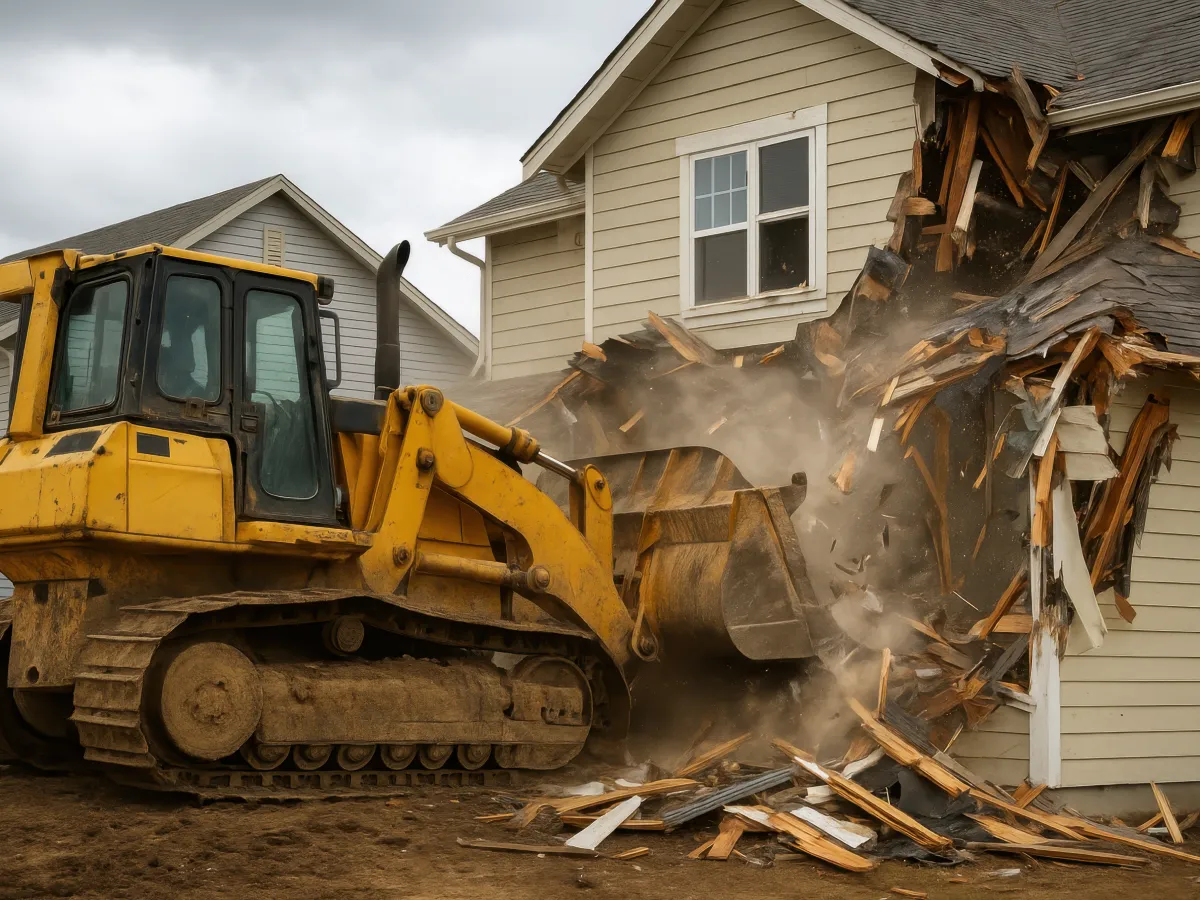
What Professional Structure Removal Involves
Structure removal requires careful planning and execution to ensure safety and efficiency. Professional services begin with a thorough site assessment to identify potential hazards, including utility lines, structural weaknesses, and environmental concerns. The process involves securing necessary permits, disconnecting utilities, and establishing safety perimeters to protect surrounding properties.
Modern removal techniques utilize specialized equipment designed for precision and control. Operators use hydraulic excavators with various attachments to systematically dismantle structures from top to bottom. This methodical approach minimizes dust, vibration, and debris spread while maintaining strict safety protocols throughout the project.
In Sevierville, properties often feature unique terrain challenges due to the region’s foothill location and varying elevations. Experienced operators understand how to navigate sloped sites and tight access points common in both residential neighborhoods and commercial developments. They adjust techniques based on soil conditions that can shift seasonally with the area’s significant rainfall patterns.
The process also includes careful segregation of materials for proper disposal and recycling. Concrete, metal, wood, and other materials are sorted on-site to maximize recycling opportunities and reduce landfill waste. This organized approach speeds up the cleanup phase and often reduces overall project costs.
Versatile Solutions for Every Property Type
Residential projects range from single-room additions and garage removals to complete house teardowns. Homeowners often need these services when renovating older properties, clearing land for new construction, or removing damaged structures after storms. The residential approach prioritizes protecting landscaping, driveways, and neighboring properties while completing work efficiently.
Garages, sheds, and outbuildings represent common residential projects. These structures may have deteriorated beyond repair, no longer meet building codes, or simply need replacement with modern alternatives. Removal typically takes one to three days depending on size and construction materials. Concrete foundations are broken into manageable pieces and hauled away, leaving a clean slate for new construction.
Commercial projects demand additional coordination and often involve larger structures with more complex construction. Retail buildings, warehouses, and office spaces require detailed planning to manage increased material volumes and maintain business operations in surrounding areas. Projects may be phased to accommodate tenant relocations or seasonal business cycles.
Sevierville’s tourism economy creates unique timing considerations for commercial work. Many businesses prefer scheduling major projects during slower winter months to minimize disruption during peak visitor seasons from spring through fall. This seasonal planning helps property owners maintain revenue while upgrading or redeveloping their commercial spaces.
Thorough Cleanup and Material Handling
Site preparation extends beyond simply removing structures. The process includes grading the lot to proper elevations, removing underground foundations, and addressing drainage concerns. Proper site preparation creates the ideal foundation for new construction while preventing future water pooling or erosion issues.
Debris removal and hauling form a critical component of any project. Professional services include loading all materials into appropriate trucks and transporting them to licensed disposal facilities. This comprehensive approach eliminates the burden of cleanup from property owners and ensures compliance with local waste management regulations.
Concrete breaking represents a specialized skill requiring both proper equipment and technique. Hydraulic breakers mounted on excavators pulverize concrete foundations, driveways, and sidewalks into transportable sizes. The broken material can often be recycled as aggregate for road base or other applications, providing an environmentally responsible disposal option.
Dirt and fill removal may be necessary to achieve desired final grades. Excess soil from foundation excavations or unsuitable fill materials are hauled away and replaced with properly compacted material. This attention to subsurface conditions prevents settling issues and creates stable building platforms.
Final grading ensures proper water drainage away from building sites and toward appropriate drainage paths. Operators use laser-guided grading systems to achieve precise elevations that meet engineering specifications. This precision work protects future structures from water damage and creates functional outdoor spaces.
Key Factors in Choosing a Qualified Service Provider
Experience with diverse project types demonstrates a provider’s capability to handle unexpected challenges. Companies that have successfully completed both residential and commercial work bring valuable problem-solving skills to every job. Look for providers who can show examples of completed projects similar to yours in scope and complexity.
Equipment quality and variety directly impact project efficiency and results. Modern hydraulic excavators, skid steers, and specialized attachments enable precise work with minimal collateral impact. Well-maintained equipment reduces delays and ensures consistent performance throughout the project timeline.
Insurance and licensing protect property owners from liability and ensure compliance with local regulations. Verify that providers carry adequate general liability and workers compensation coverage. Licensed operators have demonstrated proficiency in equipment operation and safety protocols, providing additional assurance of professional service.
Local knowledge proves invaluable when navigating permitting requirements and understanding regional conditions. Providers familiar with Sevierville’s building department processes can expedite permit approvals and ensure all work meets local codes. They also understand soil conditions, seasonal weather patterns, and access challenges common to the area.
American Excavating & Hauling brings extensive experience in structure removal, land clearing, and site preparation throughout the Sevierville region. Their team handles projects of all sizes with professional-grade equipment and meticulous attention to safety. From initial planning through final cleanup, they deliver reliable service that transforms properties and prepares sites for their next chapter. Their proven track record in excavation, forestry services, and related site work makes them a trusted choice for property owners seeking dependable results.
Setting Realistic Expectations for Schedule and Cost
Project timelines vary based on structure size, construction type, and site accessibility. A typical single-family home removal takes three to five days from start to final cleanup. Larger or more complex structures may require one to two weeks. Weather conditions can affect schedules, particularly during winter months when ground conditions may limit heavy equipment operation.
Permit processing adds time to overall project schedules. Local building departments typically require one to two weeks to review and approve applications. Starting the permit process early prevents delays once you’re ready to begin physical work. Experienced providers can guide you through documentation requirements and help expedite approvals.
Budget considerations include the structure size, material types, site accessibility, and disposal requirements. Concrete-heavy structures cost more to remove due to specialized breaking equipment and higher disposal fees. Remote or difficult-to-access sites may require smaller equipment or additional labor, affecting overall pricing.
Underground utilities require location and disconnection before work begins. Gas, electric, water, and sewer lines must be properly capped or removed by licensed professionals. Coordinate with utility companies several weeks before your planned start date to schedule necessary disconnections.
Seasonal planning can offer advantages for both scheduling and cost. Winter months typically see reduced demand, potentially offering better availability and pricing. However, spring and summer provide optimal weather conditions for site work and faster project completion. Consider your new construction timeline when selecting your project window to ensure smooth transitions between phases.